

Forest Ark Investiments
A company that produces timber renewably, with sustainable economic and financial results and no harm to the global ecosystem.
Learn moreObjective: To plant and sell quality sawn timber nationally and internationally, seeking to use every by-product of its production chain over which we have full command and knowledge, in the short, medium and long term. Seeking economic and financial viability to take on, if necessary, financing from Banco do Brasil, Banco do Nordeste and others.
Endrigo Rocha
Managing partnerGoal: To be a profitable company, capable of sustainable growth in the timber trade in Brazil and worldwide. To reach this goal, we firmly believe that the company must be economically and financially viable and that its growth must be gradual and based on productivity. We also envision listing shares on the stock exchange.
Endrigo Rocha
Managing partnerBUSINESS PLAN
Macro View
"Forest Concession Agreement No. 1/2022
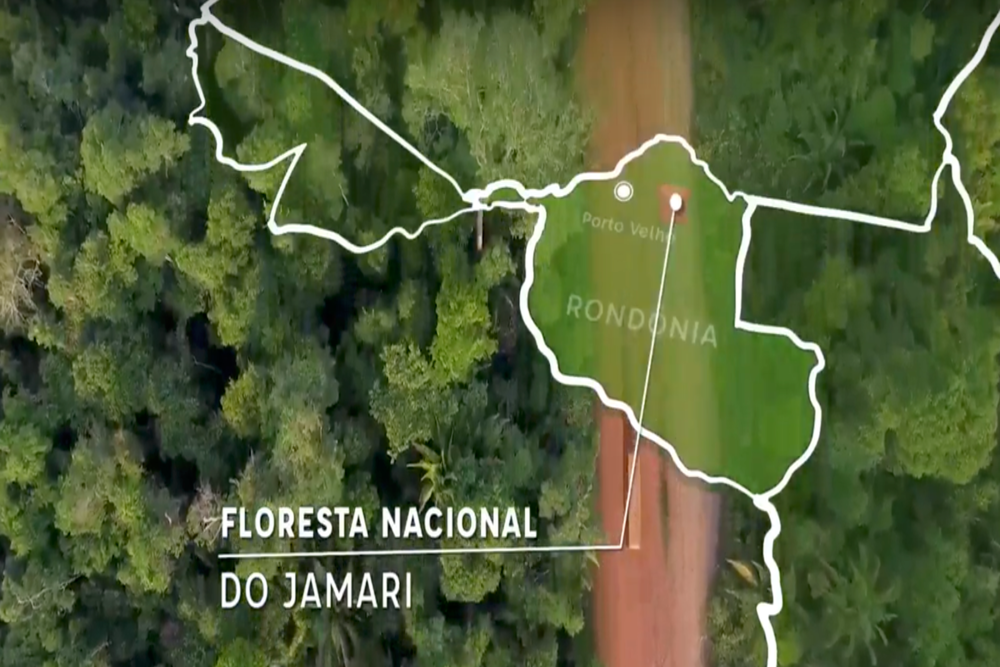
BRAZILIAN FOREST SERVICE FOREST ARK JAMARI NATIONAL FOREST
TERM OF 40 YEARS - 2022 to 2062
TIMBER TRADE
The harvesting and sale of timber assets is permitted, according to the timber inventory prepared for each Forest Production Unit.
BRAZIL NUT TRADE
Native to the north of the country, the Brazil nut may be sold and is one of the assets of the Forest Concession.
CARBON CREDITS
Authorized by Law 14.590/2023, the sale of Carbon Credits is among the assets that may be traded.
OILS, RESINS, BARKS, VINES AND FOLIAGE
Non-timber inputs may also be sold. They are widely used in the pharmaceutical industry and are abundant in the National Forest.
Frequently asked questions
What is protection of the Amazon rainforest?
Protecting the forest means preserving the environment and using the available resources consciously. Our working method is strictly guided by current legislation and by good practices and procedures, supporting our workers, raising public awareness of the benefits of good practices, and fully safeguarding the biodiversity of the forests.
What types of seedlings are produced?
All native species. The preliminary work is a forest inventory, an efficient and effective way of estimating the existing population. The latest forest census identified more than 100 species, including endemic species and species protected by law.
How is the sustainable management of timber products carried out?
The fundamental objective of the sustainable forest management plan is to maximize forest production and minimize damage to the harvested forest. This requires knowledge of the composition of the forests, their phytosociological structure and the diameter and spatial distributions of the species.
Sustainable forest management is one of the strategies aimed at preserving forest heritage in the years ahead. Forests are a resource that provides oxygen to breathe, habitats for unique species and a livelihood for some people, which is why sustainable forest management is essential to guarantee a healthy ecosystem that provides the resources future generations will need.
The silvicultural system to be used is polycyclic on a commercial scale, with a 30 (thirty) year cutting cycle and a maximum intensity of 25.8 m³/ha in the effective management area. RIL (Reduced Impact Logging) techniques are applied, and forest recovery is managed through natural regeneration.
What are the benefits of recovering degraded areas?
Many species of commercial interest have few individuals in managed areas. About 45% of all tree species in tropical forests occur at very low densities, with less than one individual per hectare. Certain silvicultural treatments can be used to favor these species. They significantly increase tree growth in tropical forests. Research has shown that growth can double compared with untreated harvested forest.
"Carvalho et al. (2007) state that the main silvicultural treatments carried out in tropical forests are vine cutting, crown release for greater light capture, and gap enrichment. Vine cutting and crown release provide faster growth of the treated trees, while gap enrichment increases the productive quality of the forest, given that the planted species are mostly of high commercial value."
In addition to securing and maintaining the use of resources, the recovery of degraded areas directly benefits every individual on the planet, from cleaner air to the conservation of rivers and the biodiversity found there. Forest is life, even if we are not directly in it.
How can I contribute to protecting the Amazon rainforest?
Changing simple everyday habits makes a big difference: saving water, choosing biodegradable, reusable and recycled products, sorting waste and disposing of it correctly, refusing to condone illegal activities, and raising awareness among those around us. The Amazon is a heritage immeasurable in its grandeur, abundance and generosity.
Latest news and updates
By Endrigo Rocha
The Jamari Forest:
A Treasure of the Amazon
The Jamari Forest is an important environmental reserve located in Itapuã do Oeste. Our commitment is to preserving its fauna, flora and environment, ensuring sustainability for future generations.
By Endrigo Rocha
The Wealth of Flora and Fauna in the Jamari Forest
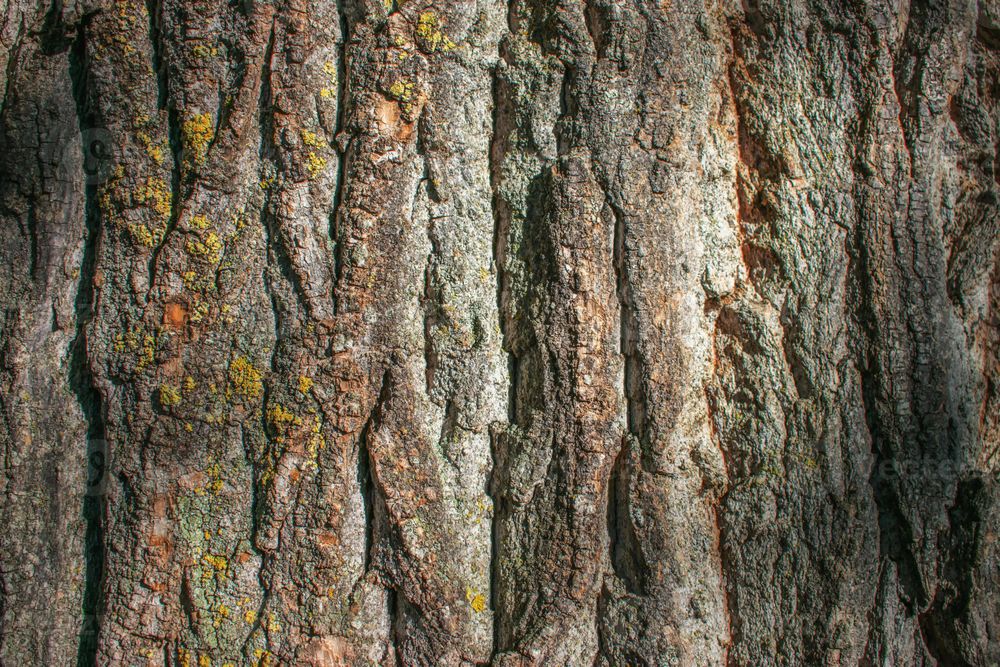
Imposing Trees
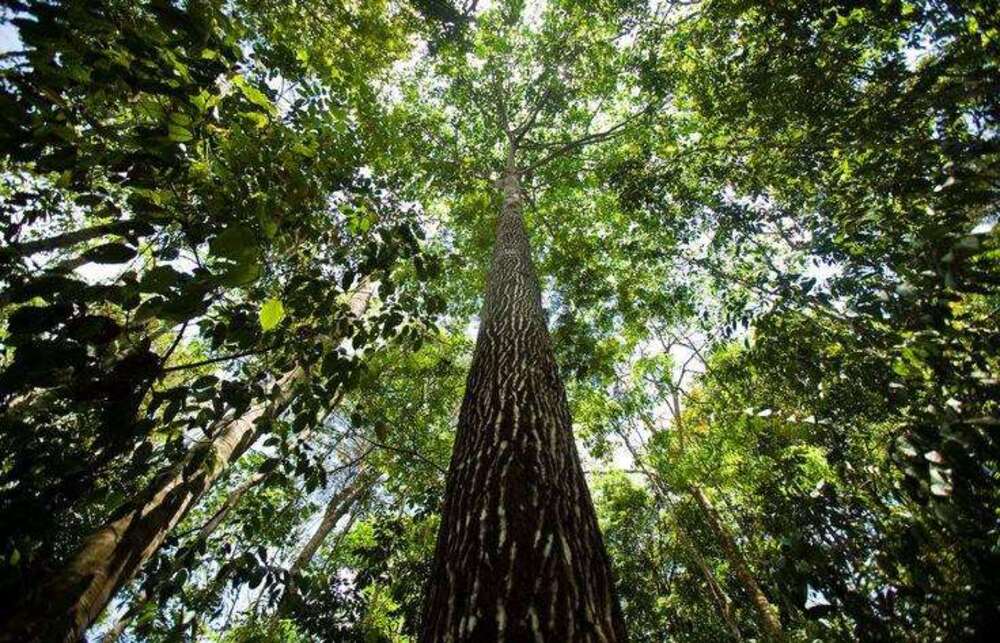
The Jamari Forest is rich in leafy trees of different heights and shapes. Together, these trees form a vital ecosystem.
By Endrigo Rocha
The Wealth of Flora and Fauna in the Jamari Forest
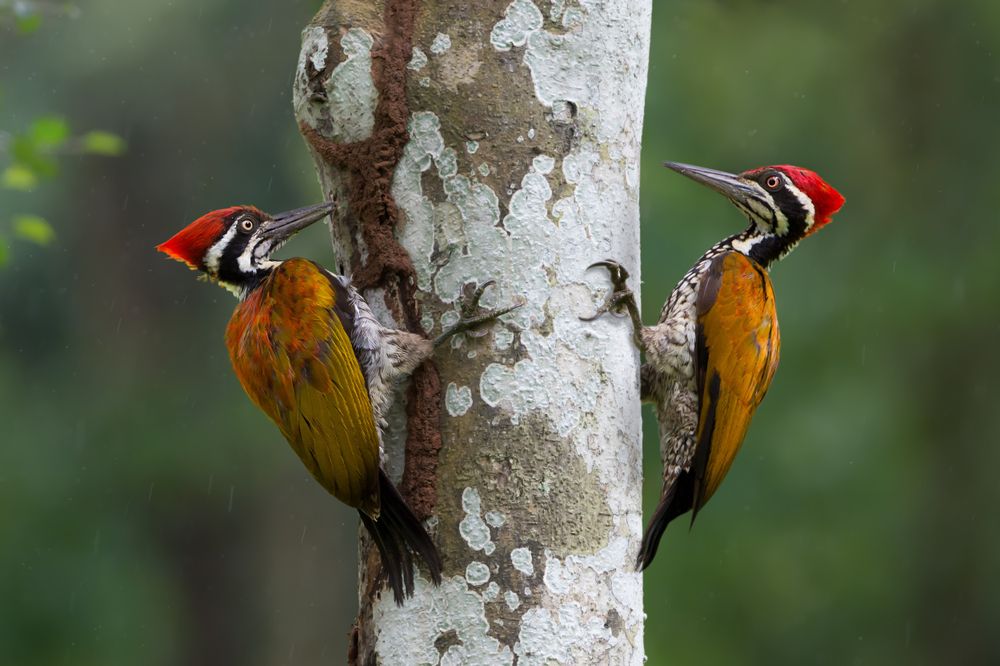
Bird Diversity
The Jamari Forest is home to a wide variety of birds, including woodpeckers, toucans and macaws. They contribute to pollination and seed dispersal.
By Endrigo Rocha
The Wealth of Flora and Fauna in the Jamari Forest
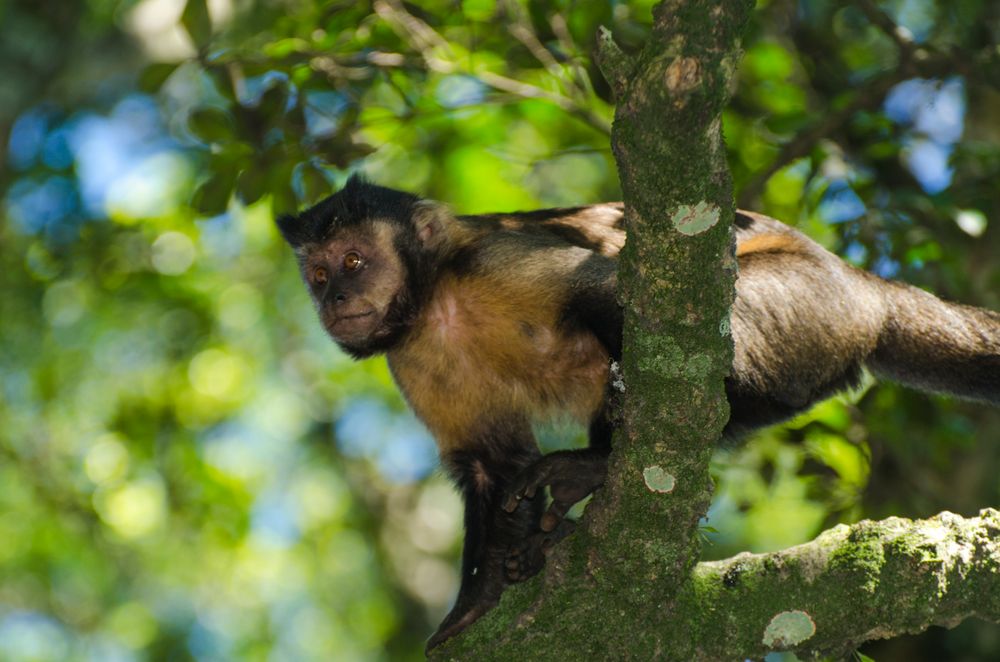
Wildlife
Various species of monkeys, sloths, coatis and ocelots inhabit the forest. Preserving the habitat of these animals is important to maintain ecological balance.
By Endrigo Rocha
The Wealth of Flora and Fauna in the Jamari Forest
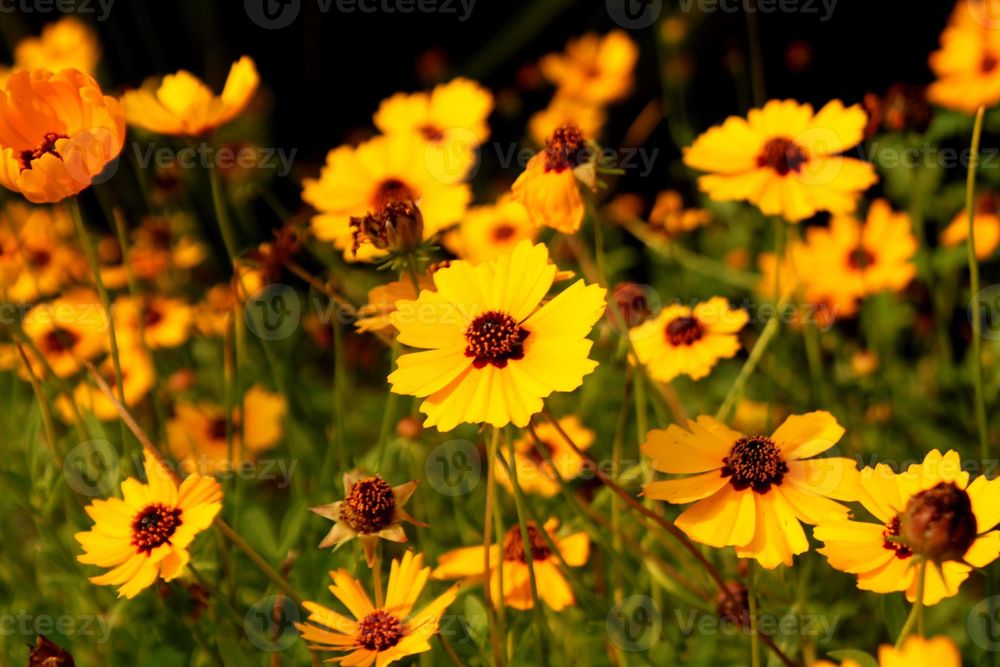
Plant Biodiversity
The flora is equally vibrant, with many orchids, bromeliads and other plants that make up one of the most complex ecosystems in the world.
Partners
 Lemafon
 ProtSeg
 Secretaria de Meio Ambiente e Cultura
 Castanha Ouro Verde
 Imaflora